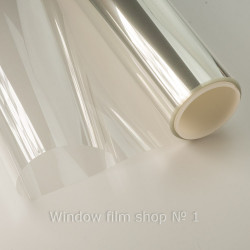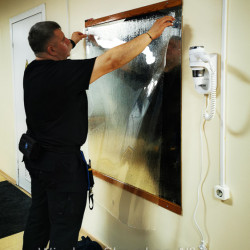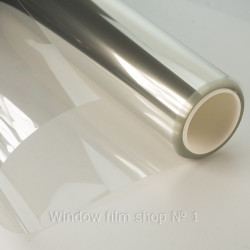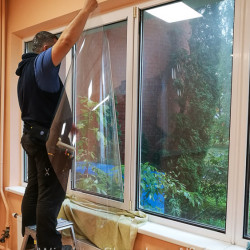
Interior window film
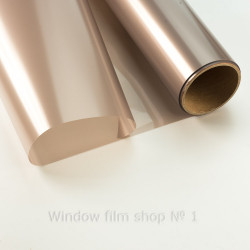
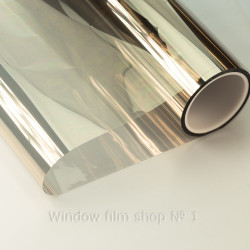
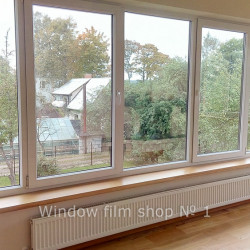
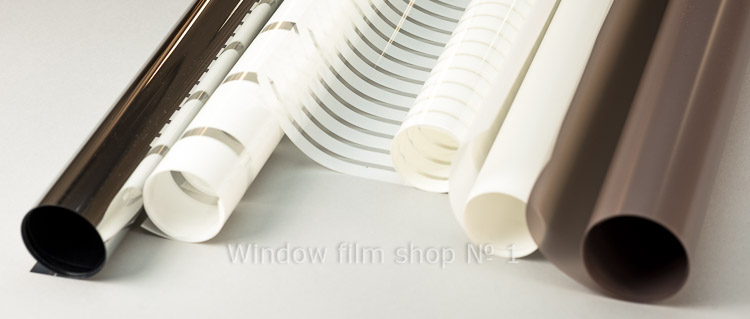
Discover a world of interior window films with over 10 variants. From reflective to frosted, we offer a selection tailored for different requirements. Below are the advantages, the potential drawbacks, and the factors to consider when making your choice.
Statistically speaking, when it comes to exterior windows, 80% of the films used are intended for interior application. Films applied from the inside typically last for 9 years or more, while those applied externally might last about 4 years. Films on the inside are less exposed to harsh climatic and weather conditions, which considerably extends their lifespan.
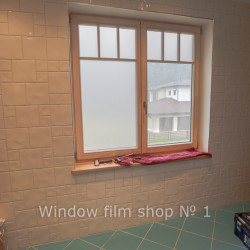
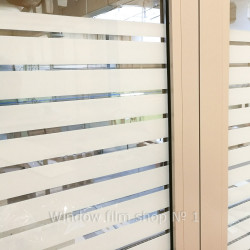
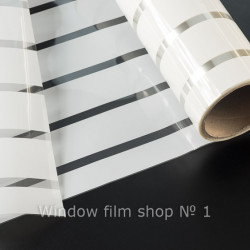
There are specific film types exclusively designed for indoor use. Notably, decorative and frosted films for interior doors and windows.
Top 5 Popular Films for Interior Installation
Our films are easy to install, feature an adhesive layer, and fall under the adhesive film category. Here are some of the most sought-after solutions:
- Strata 20 - A one-way visibility mirror film suitable for all glass structures, ensuring permissible, non-critical heating of the glass: VLT 23%, TSER 84%.
- Strata 35 - A light mirror film: VLT 36%, TSER 67%.
- Stella Milk - A pure white (milky) matte film: VLT 67%, TSER 35%.
- Stella White - A white-grey matte film: VLT 71%, TSER 35%.
- Frosted Solo 002 - A frosted film on a PVC base: VLT 75%, TSER 18%.
Advantages of Interior Window Film
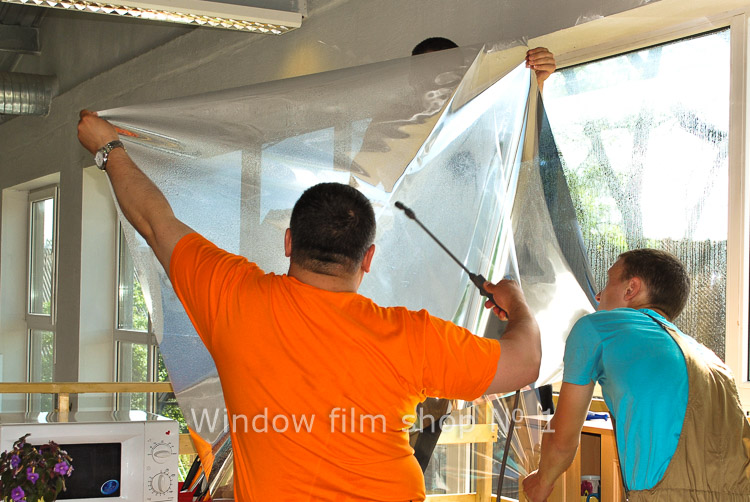
- Apply or remove at any convenient time of the year.
- Cost-effective and doesn't require lifting equipment or ladders. Handy for high-rise buildings or top-floor rooms.
- Can be applied at room temperature.
- Generally cheaper than exterior films.
Film installation from the inside typically yields cleaner results compared to exterior window film. Outdoor installations always run the risk of trapping tiny sand particles or dust beneath the film. High winds can also pose challenges for exterior installations.
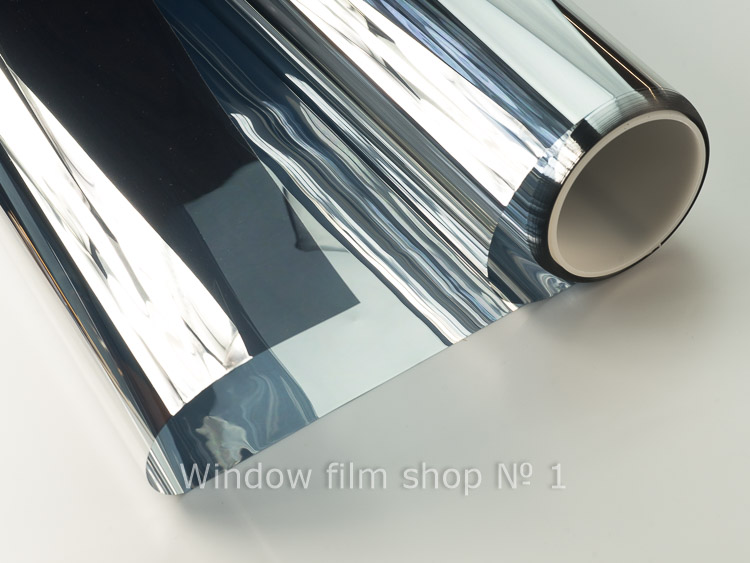
Freely and unreservedly, you can use the following types of interior glass films:
- Window frosting film
- Black-out film for windows
- UV window film
- Opaque window films
Drawbacks of Interior Window Film
Some film types, like the solar window film or mirror window film, when installed inside, might cause slight heating of the glass. In such cases, it's preferable to use outdoor window film or Low-E films.
Restrictions: Black Films Inside
We advise against installing black films on building windows from the inside. The black color absorbs solar heat, leading to critical glass heating. This can result in thermal shock, causing the glass to crack.
While some might draw parallels with car tinting that employs black tint film applied from the inside, the auto industry uses tempered glass, which is compatible with black films.
Explore a wide range and detailed information on all types of window films. For more details on pricing, visit the buy window film section.
We cut films to your specifications — custom cut window films — or you can take ready-made DIY window film solutions.